
How to Structure Your Lifting Routine For Strength Training
Your exercise order and structure matters. It matters for your safety, performance, and goals. But the stronger and better you get in your training, the more your exercise order starts to matter.
Your strength workouts can be broken down into five categories: warm-ups, main lifts, accessory lifts, core work, and a cool down.
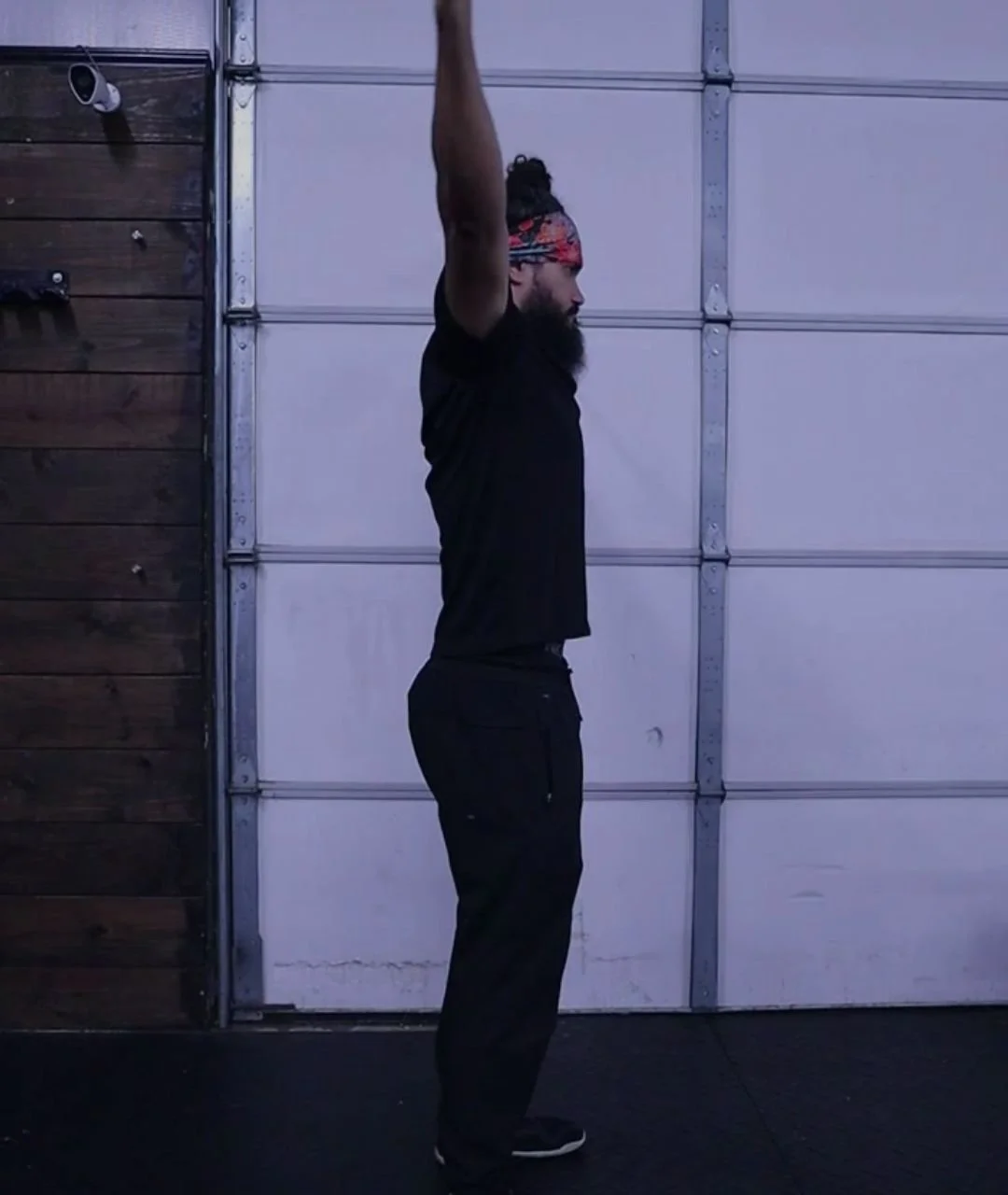
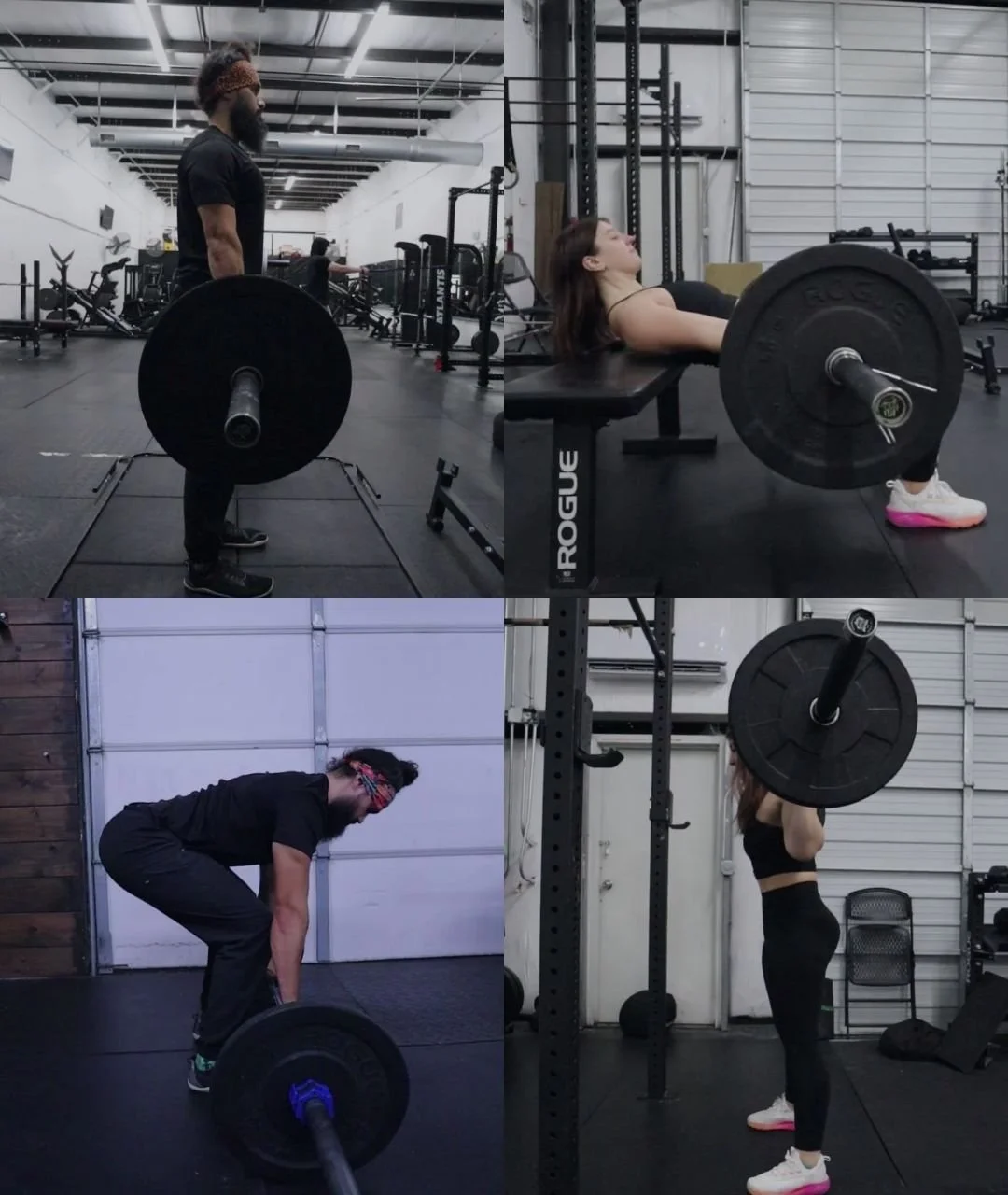
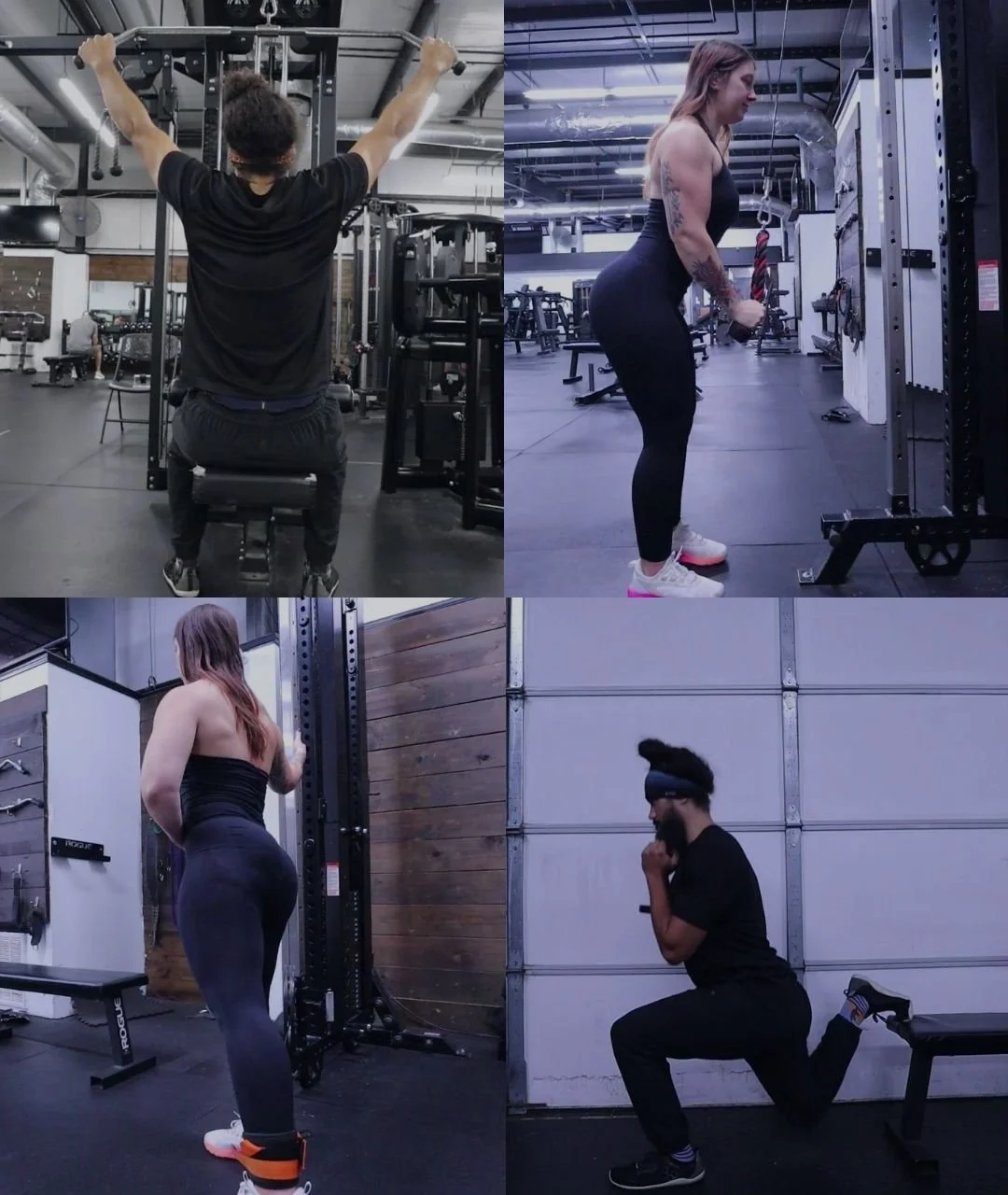
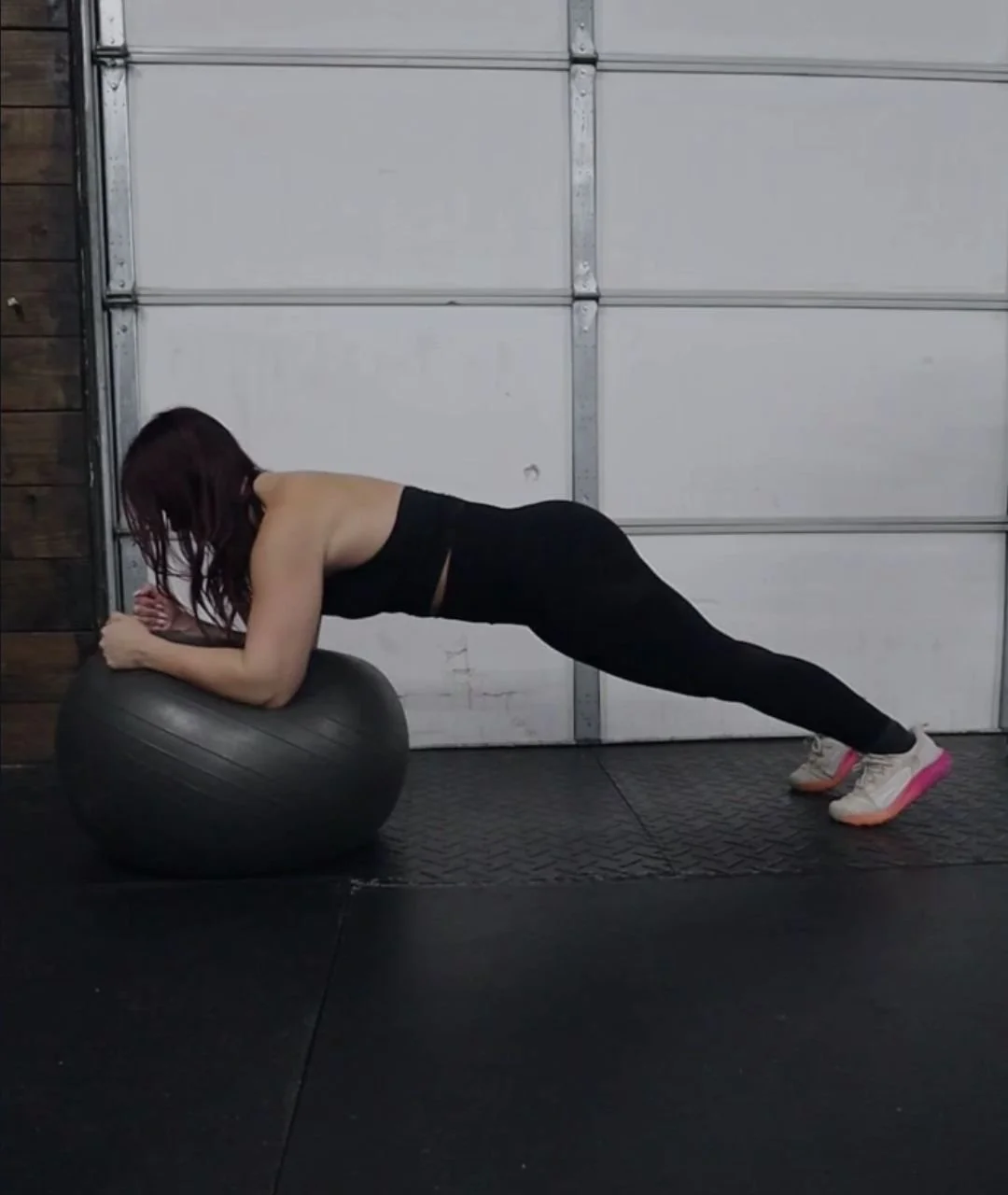
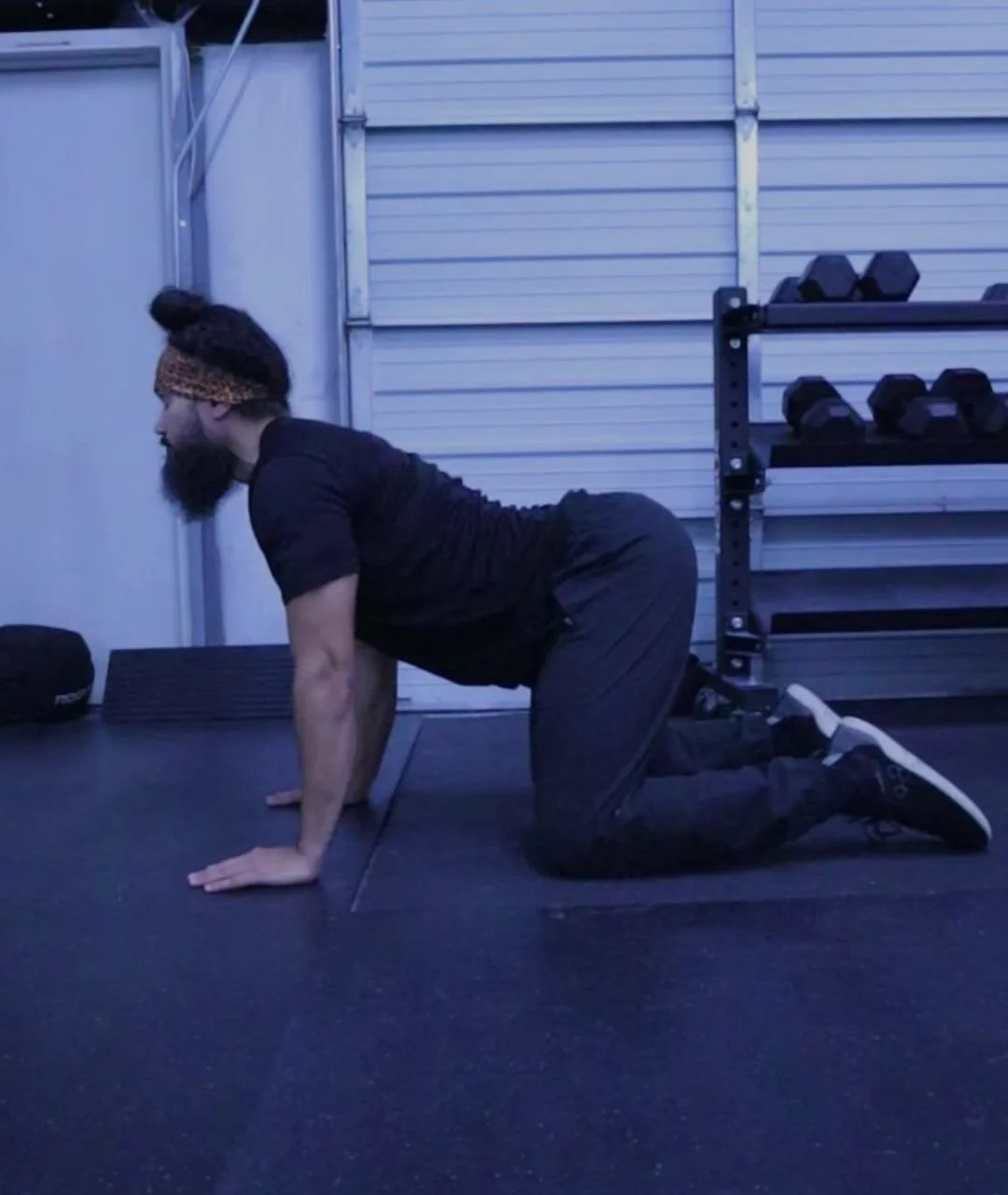
Warm-ups
The point of warming up is for both performance and injury prevention.
Warming up with lower intensity allows for your body to get blood flow and joint lubrication to the areas you’re training. The stiffer that you are, the longer you may need to warm-up.
For example, you’ll likely be stiffer if you train after sitting at a computer all day vs. training first thing in the morning.
SPECIFIC WARM-UP
Banded work: side steps, pull-aparts, bridges, rows
Warming up with lighter weight & intensity on the bar
GENERAL WARM-UP
Walking
Foam rolling
Down & backs: high knees, butt kicks, side shuffles
Main lifts
Your “main lifts” are your priority lifts for that particular training session. These exercises should always be a fundamental, compound movement.
You will usually only have 1-2 priority or main lifts in a training session.
For powerlifting, this will be a barbell squat, barbell bench, and barbell deadlift. But for hobby lifters, this could be also be a heavy hip thrust, heavy row, weighted pull-ups, weighted push-ups, etc.
Accessory exercises
These are hypertrophy-based exercises that are chosen based on the weak points in your strength.
These exercises are either isolation exercises, or compound lifts that you’re working with at a lighter weight & higher reps.
Some examples of these types of exercises are tricep pushdowns, bicep curls, lateral raises, glute med kickbacks, hamstring curls, split squats, etc.
Core work
Core work is usually placed at the end of your workout. This is because its the easiest to recover from and least challenging of all of the categories.
Core work can also be included at the beginning of your workouts as part of your warm-up too though!
For strength-based goals-you’ll usually prioritize deep core and anti-rotationexericises.
Some examples of these exercises are weighted planks, side planks, paloff presses, farmer carries, single-arm farmer carries, and weighted dead bugs.
Cool downs
The purpose of a cool down is to lower your heart rate so that your body can more easily begin your recovery process. One of the most important parts of a cool down is getting your body to a calm state.
COOL DOWN STRATEGIES:
Foam roll or lacrosse ball targeted or tight areas
Static stretching targeted or tight areas
90/90 breathing
Meditation and deep breathing

